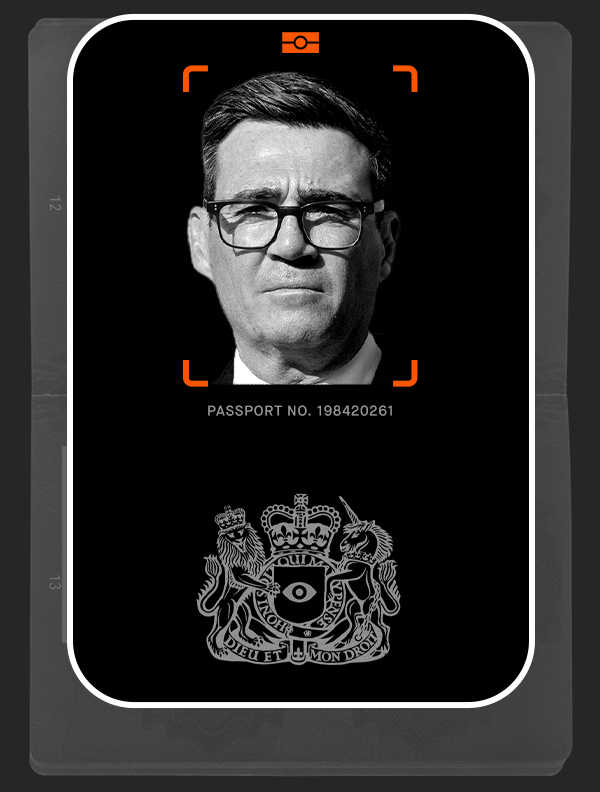
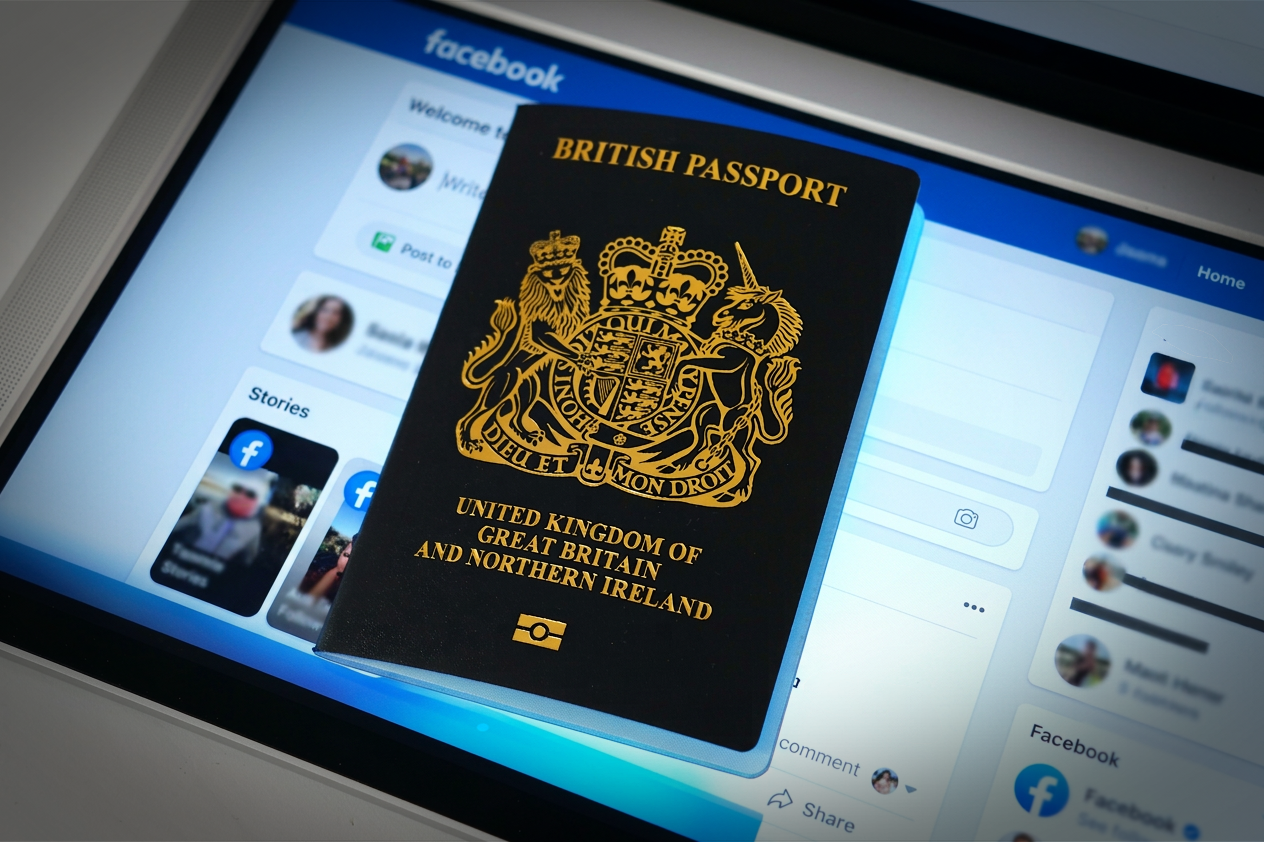
The Government wants all of us show a passport or driving licence to use social media.
This is a digital ID scheme by the backdoor.
The Government is demanding ID checks to carry out a social media ban for under-16s. But there’s no such thing as a state-enforced social media ban ‘for children’ – only digital identity checks for all of us.
This fight is too important to lose. If we do nothing, large parts of the internet will be behind the Government's Great British Firewall within a few months.
The British people have always rejected mandatory ID schemes, and now we must once again come together and say no to a “papers, please” society. Because, if this becomes a reality, future generations will not remember it as a child safety policy. It will be remembered as the moment Britain introduced digital gatekeepers.
6 KEY ARGUMENTS AGAINST PASSPORTS FOR THE INTERNET
1. This will not make children safer online
Everyone wants children to be safe online – but the Government’s social media ban isn’t what it says on the tin.
In Australia, the government’s social media ban has resulted in over 80% of children continuing to use social media platforms. Other children will continue to socialise online but in less regulated corners of the internet, making them less safe. Bans also cause children to hide their social media use from parents, giving them no one to turn to if things go wrong.
The social media ban is opposed by over 40 expert child safety groups including the Molly Rose Foundation and NSPCC, as well as many human rights and digital rights groups.
Further, government social media bans disincentivise social media companies to implement child safety measures, creating new child safety risks.
Children's online safety requires better parental controls and thoughtful tech regulation. Displacing parental responsibilities onto the Government gives way to checkpoints and controls not just for children but for the British public as a whole – and we may find that we’re handing the next generation a new fight for liberty.
2. Digital ID by the backdoor
It is impossible to restrict social media use just ‘for children’.
The technological reality is this: all Britons will be forced to undergo ID checks to use social media. Currently, the Government plans to require government-issued IDs: passports or driving licences.
This is not a policy without resistance. Recent polling shows that support for a social media ban drops substantially when it is enforced through digital ID checks. People are realising what we have argued consistently: a social media ban is a Trojan horse for digital ID.
3. HONEYPOT FOR HACKERS
A system where millions of us have to share sensitive identity documents with foreign tech companies would be a prime target for hackers, cyber-criminals and hostile states - let alone risking misuse by the companies themselves.
Bad actors may also create fraudulent ID checking systems. At a time when the UK is experiencing greater cybersecurity threats than ever, the risk of such a system is particularly serious.
Companies that already use ID verification, such as Discord, lost around 70,000 users’ photos each last year. The women caught up in the scandal had their photos posted to the notorious site 4chan. For 16 and 17-year-olds this policy is even riskier. It will, in practice, see the ID documents of millions of children uploaded to the internet.
The Government should encourage people – adults and children alike – to minimise ID sharing online, rather than turning our most widely used online platforms into ID checkpoints.
4. The end of online anonymity
There is no anonymous way to process a passport or driver’s licence online. This means that under this proposal, every social media account would be tied to an ID document, spelling the end of online anonymity.
There are many legitimate reasons why law-abiding citizens want to hide their identity online. Vulnerable communities in particular, such as victims of sexual or domestic abuse, members of the LGBTQ community, those belonging to (or leaving) religious groups, as well as whistleblowers, journalists and campaigners all rely on online anonymity for their safety and freedom of expression.
5. Discriminatory and undemocratic
According to the Electoral Commission, four million adults do not have a passport or driving licence. The proportion of people without such documents is even higher among lower income or marginalised communities. 16 and 17 year olds cannot hold a credit card, and many will not hold a driving licence either.
Requiring ID to access social media would prevent millions of people from exercising their freedom of speech in the spaces where, in practice, most of our civic debate takes place. This has serious implications for our democracy, and constitutes a total reshaping of modern civil liberty that will affect us all.
6. Other countries are fighting back
Several governments across the world are trying to implement social media bans, but are facing resistance at every turn. France’s top court rejected a social media ban for under-15s, citing that it was incompatible with freedom of expression and privacy.
The moment Australia’s social media ban was implemented, it faced a legal challenge launched by two teenagers standing up for their human rights. Just this month, India’s Supreme Court blocked a social media ban on the grounds that internet access is a universal human right.
Big Brother Watch is a proud member of Stop Killing the Internet, a huge international coalition of digital rights activists and organisations opposing privacy-infringing policies like digital ID and age verification for the internet.
THE GREAT BRITISH FIREWALL
The Government’s raft of online “safety” policies stand to make the UK’s internet one of the most controlled in the democratic world.
This includes forcing tech companies to introduce ‘device-level controls’. Tech giant Apple recently introduced mandatory age and identity checks at the operating system level.
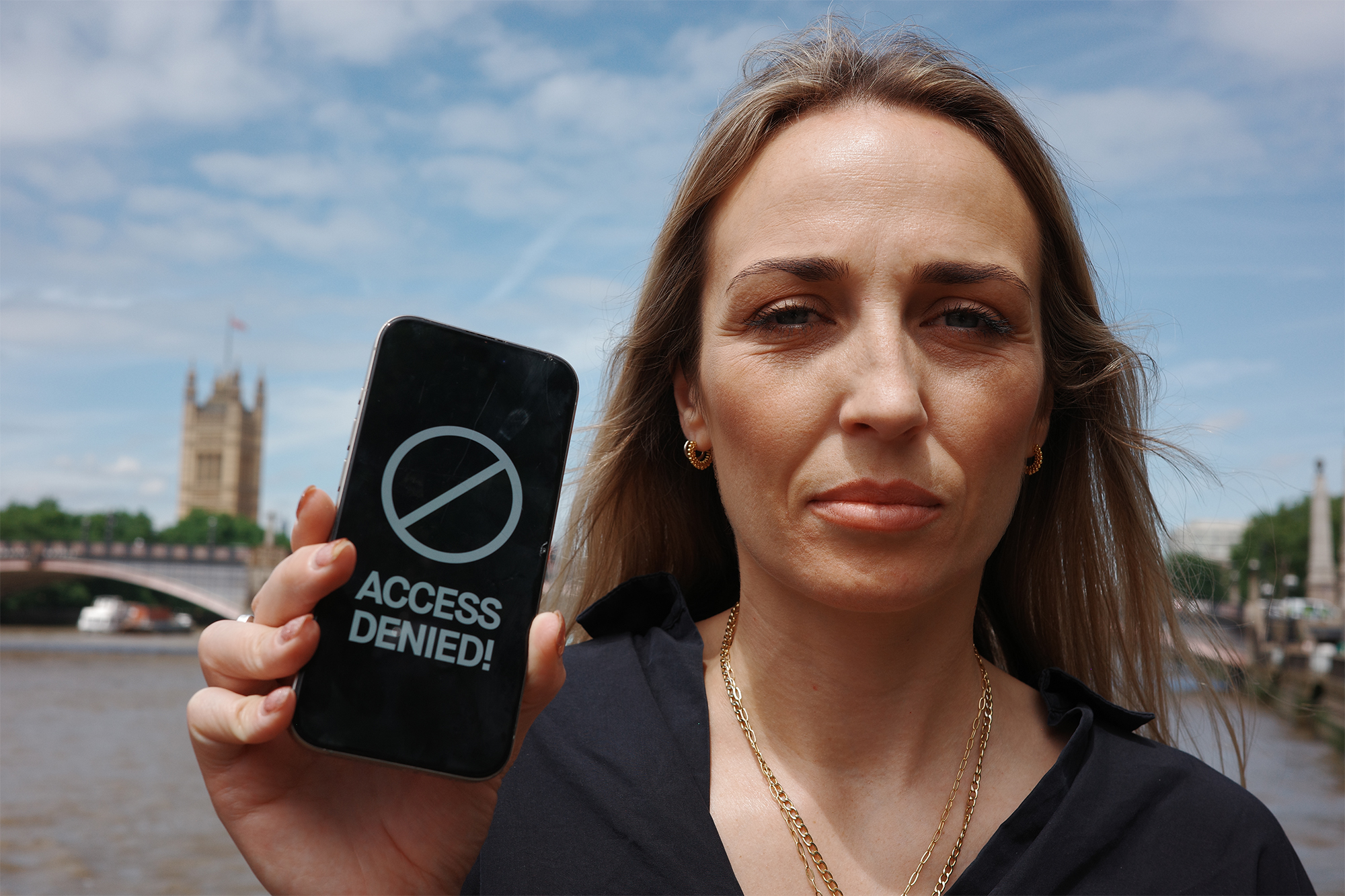
In simple terms, your iPhone now requires you to prove your age before you can freely browse the web or use certain apps. Our director Silkie Carlo wrote to Apple demanding they drop this ID demand and restore internet freedom to millions of people in the UK.
Take Action
1
Join us!
The strength of our campaign relies on your support. Join the fight for the future today!