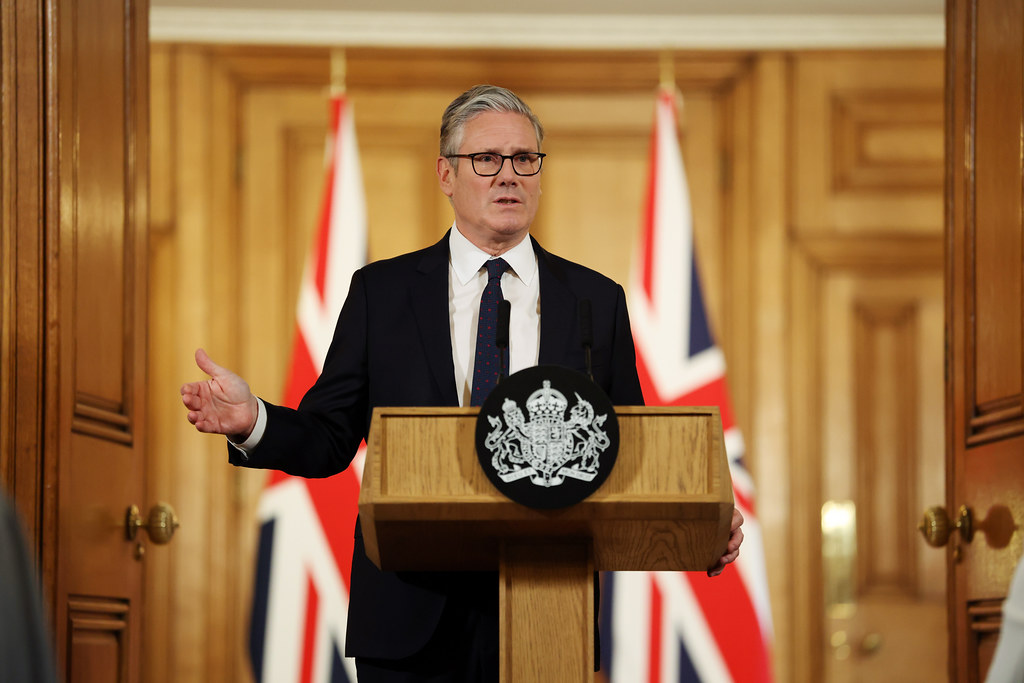
The Government has grown too comfortable with censorship
June 22, 2026

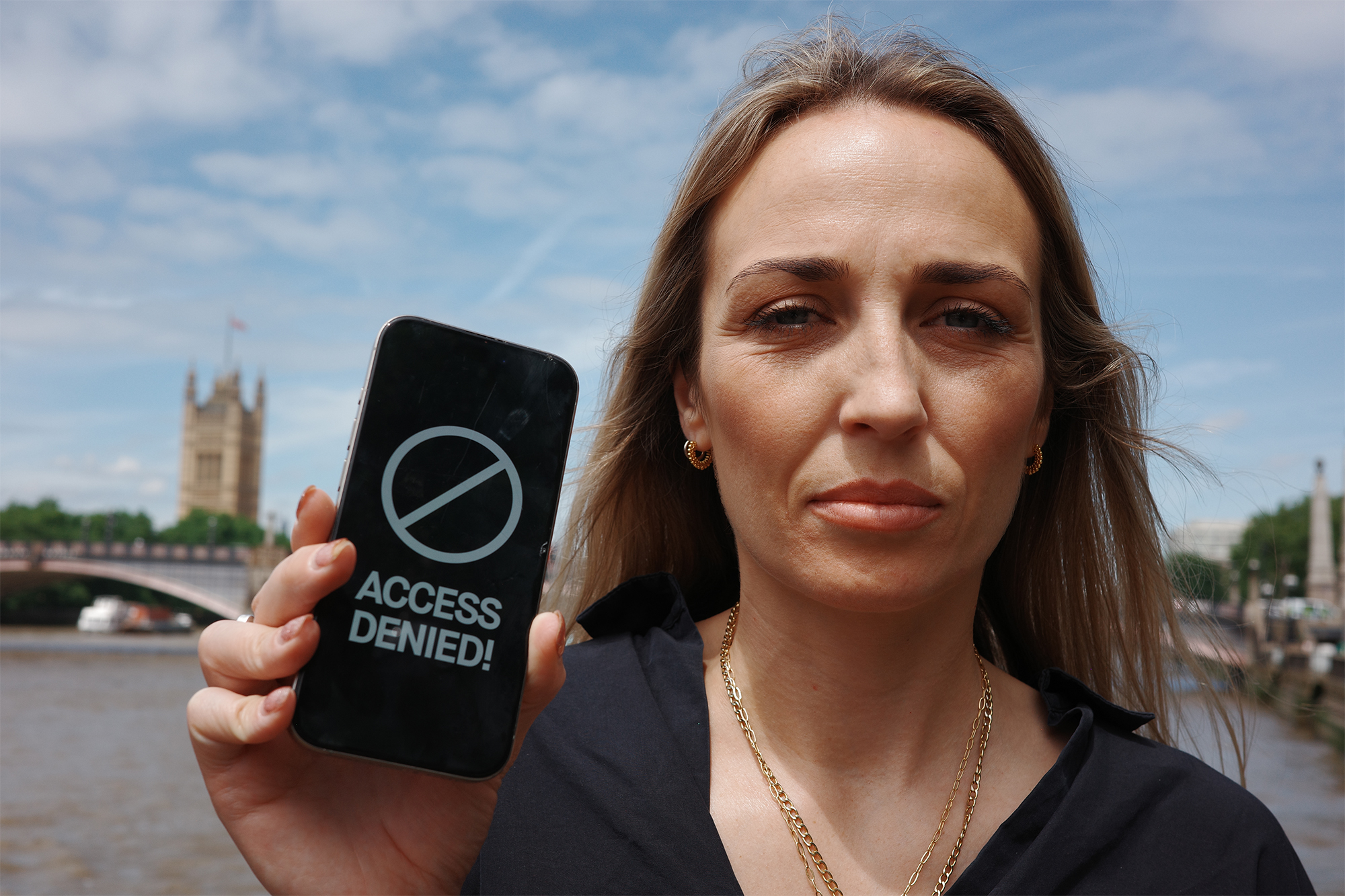
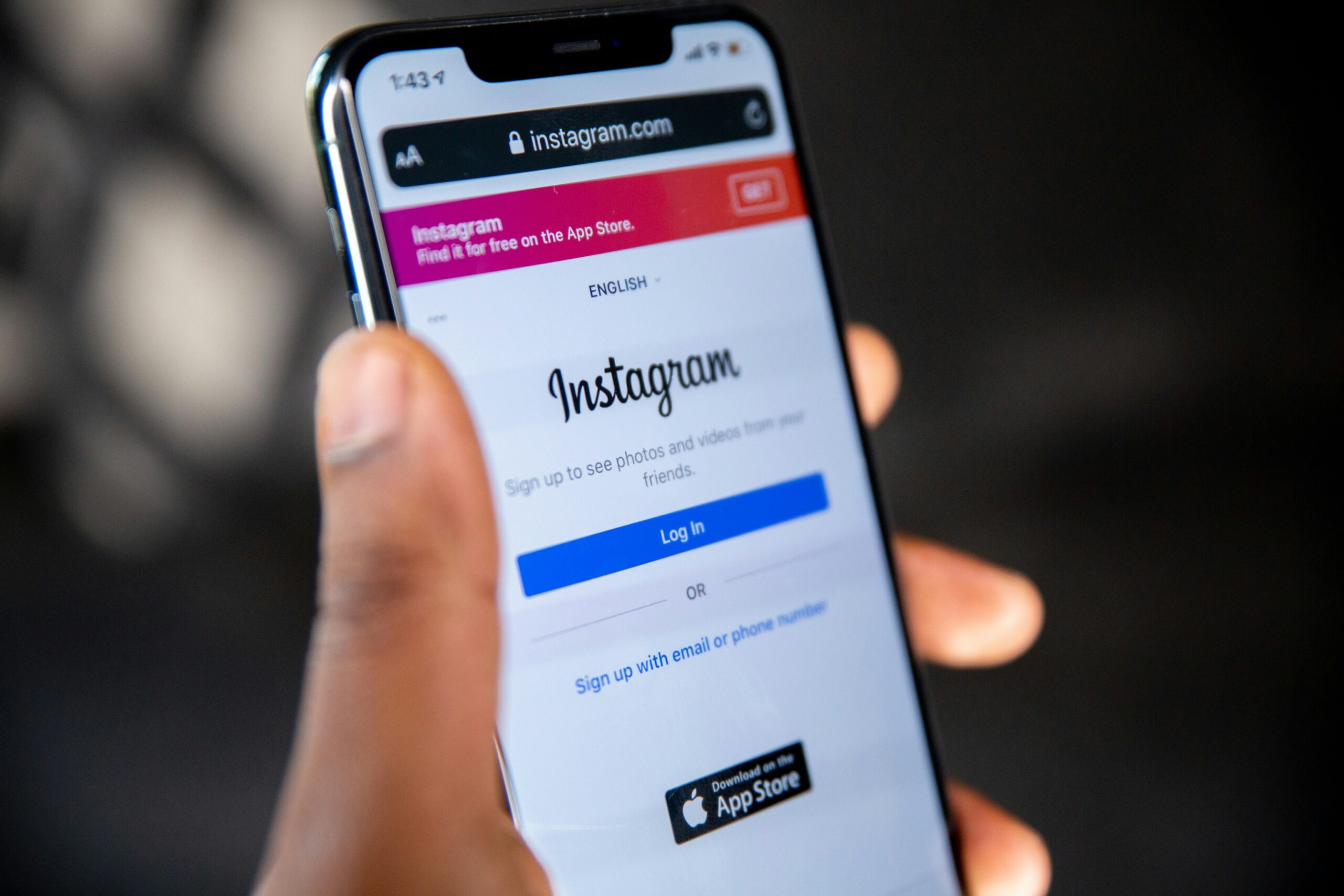
BBC – Instagram removes message encryption
May 8, 2026
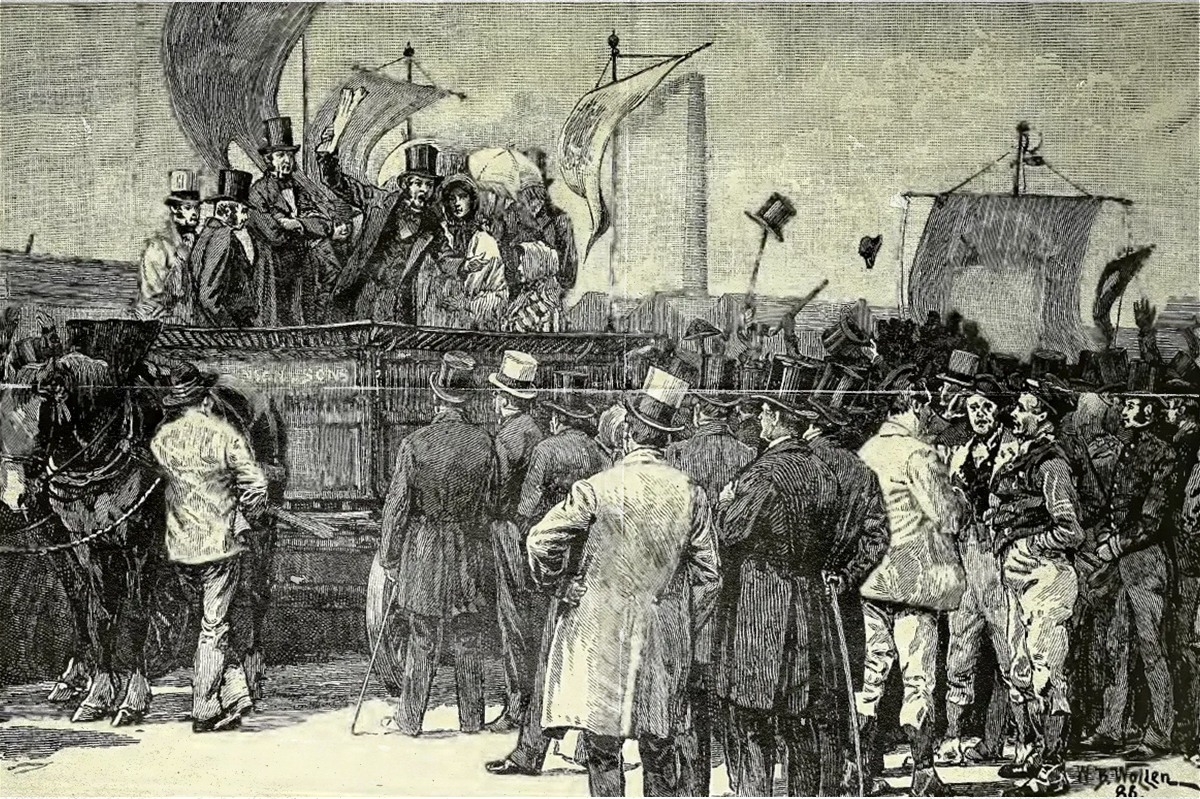
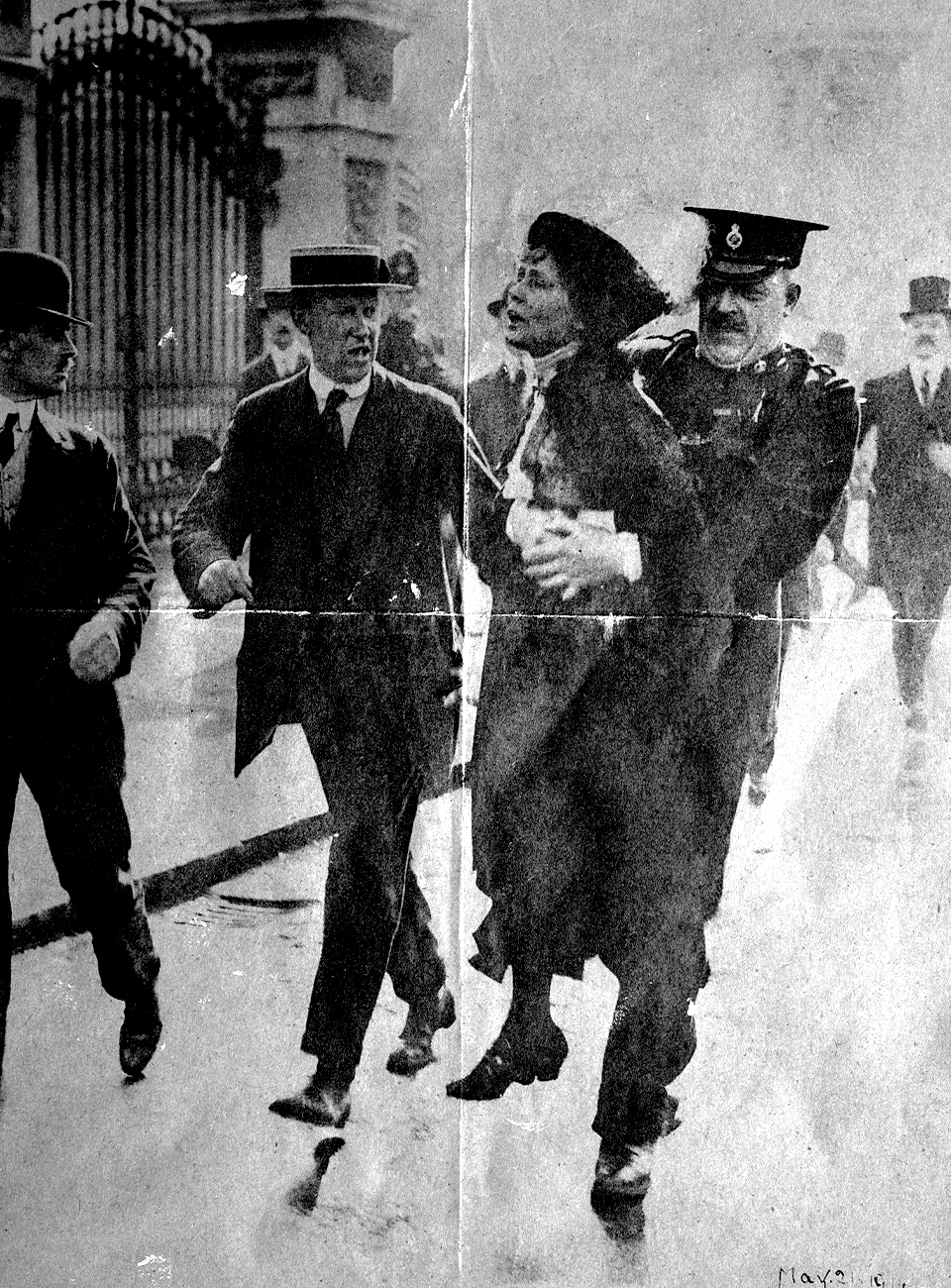
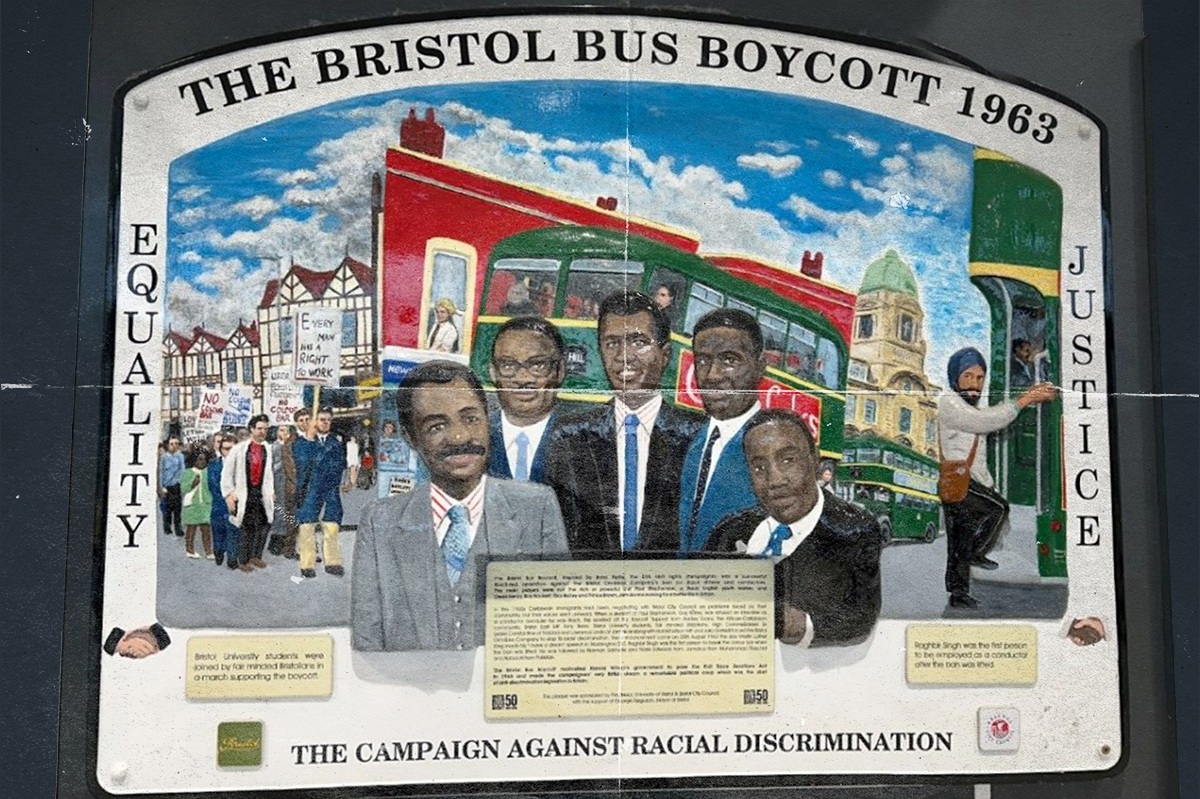
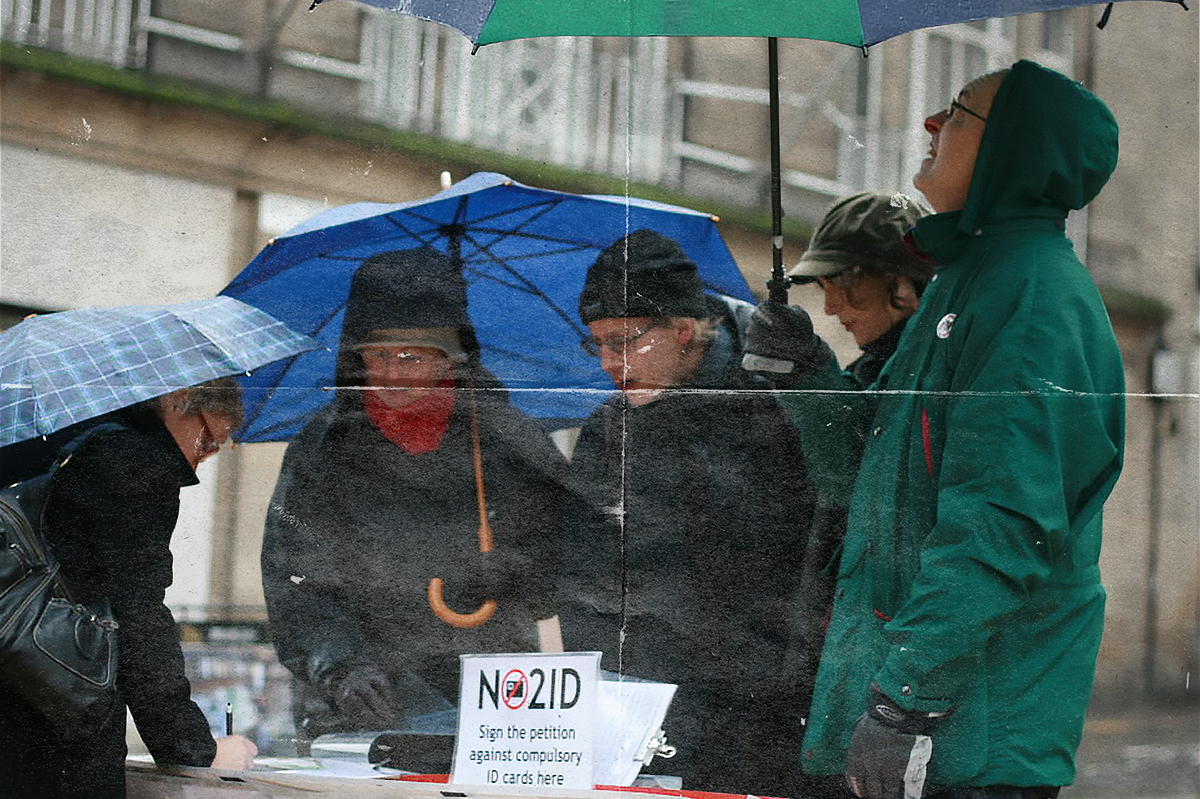
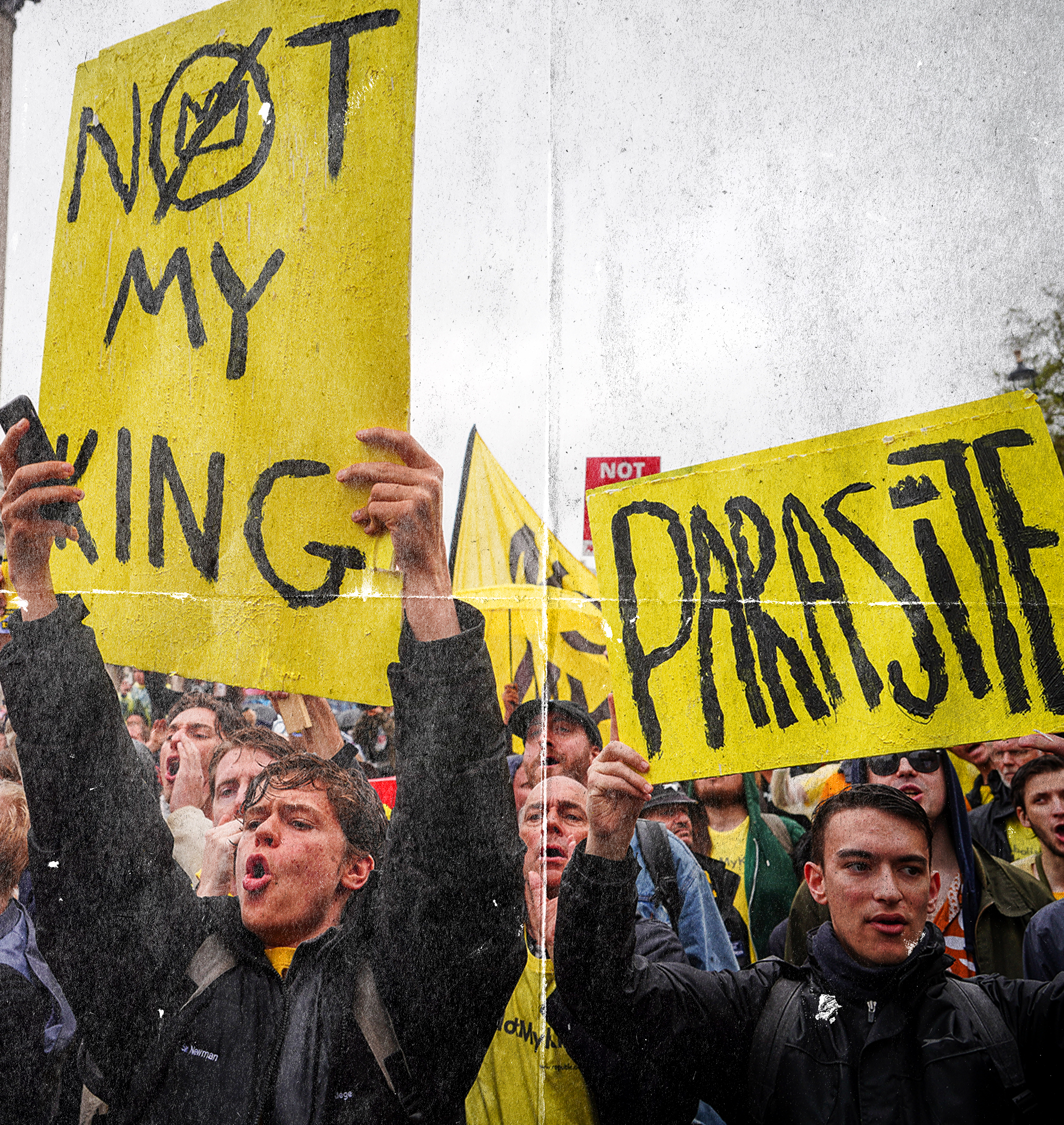
The ability to speak freely is one of the most empowering rights in a democracy – but this hard-won freedom is under threat in the UK.
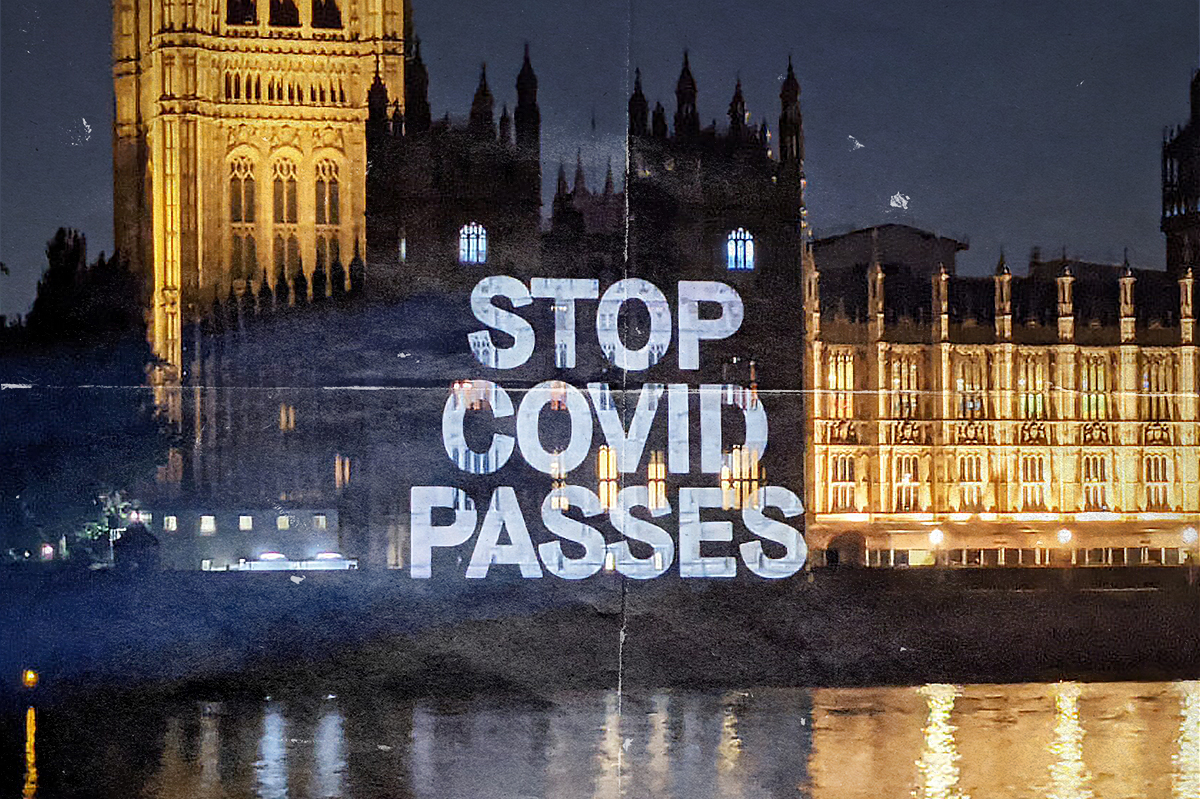
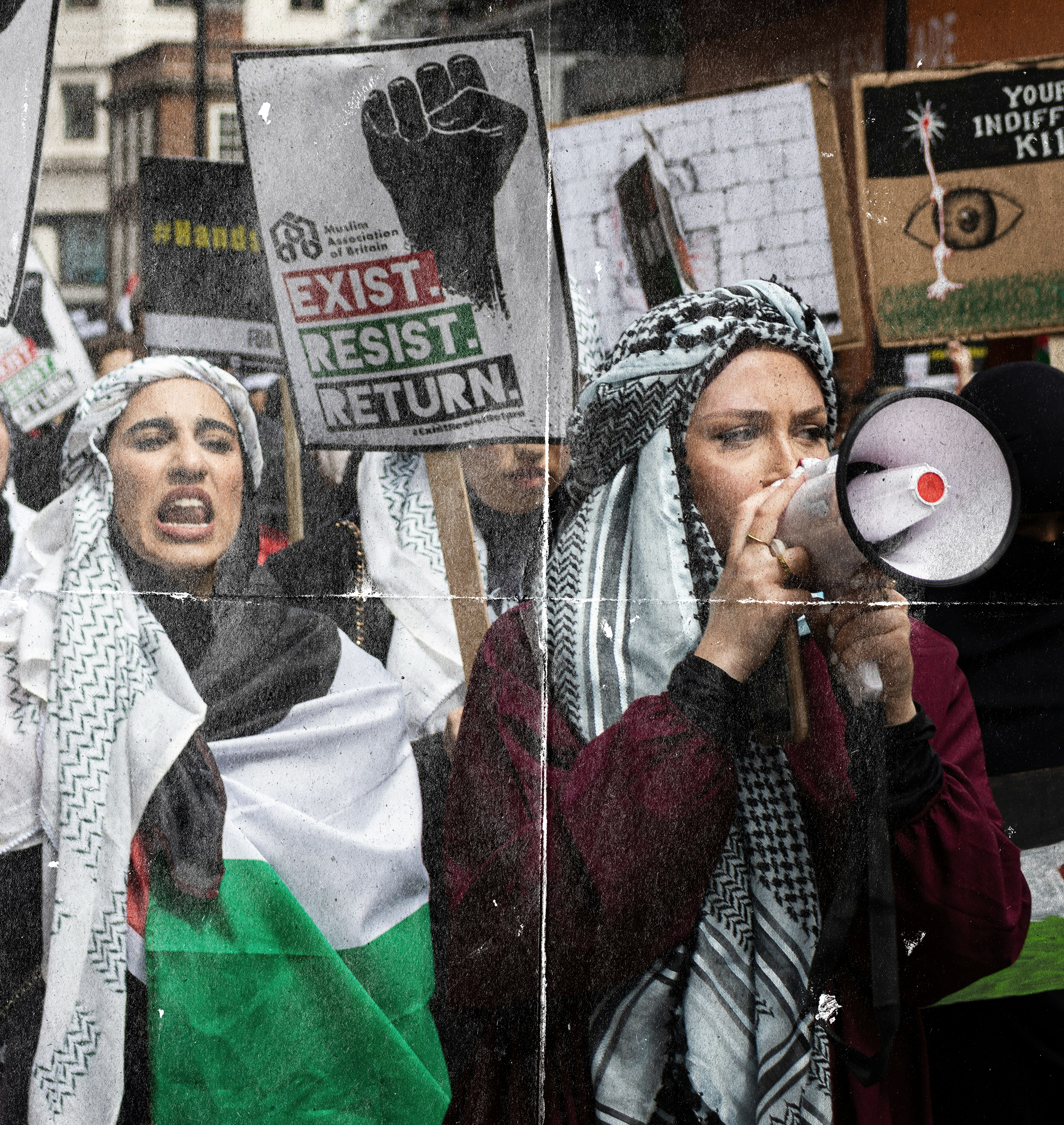
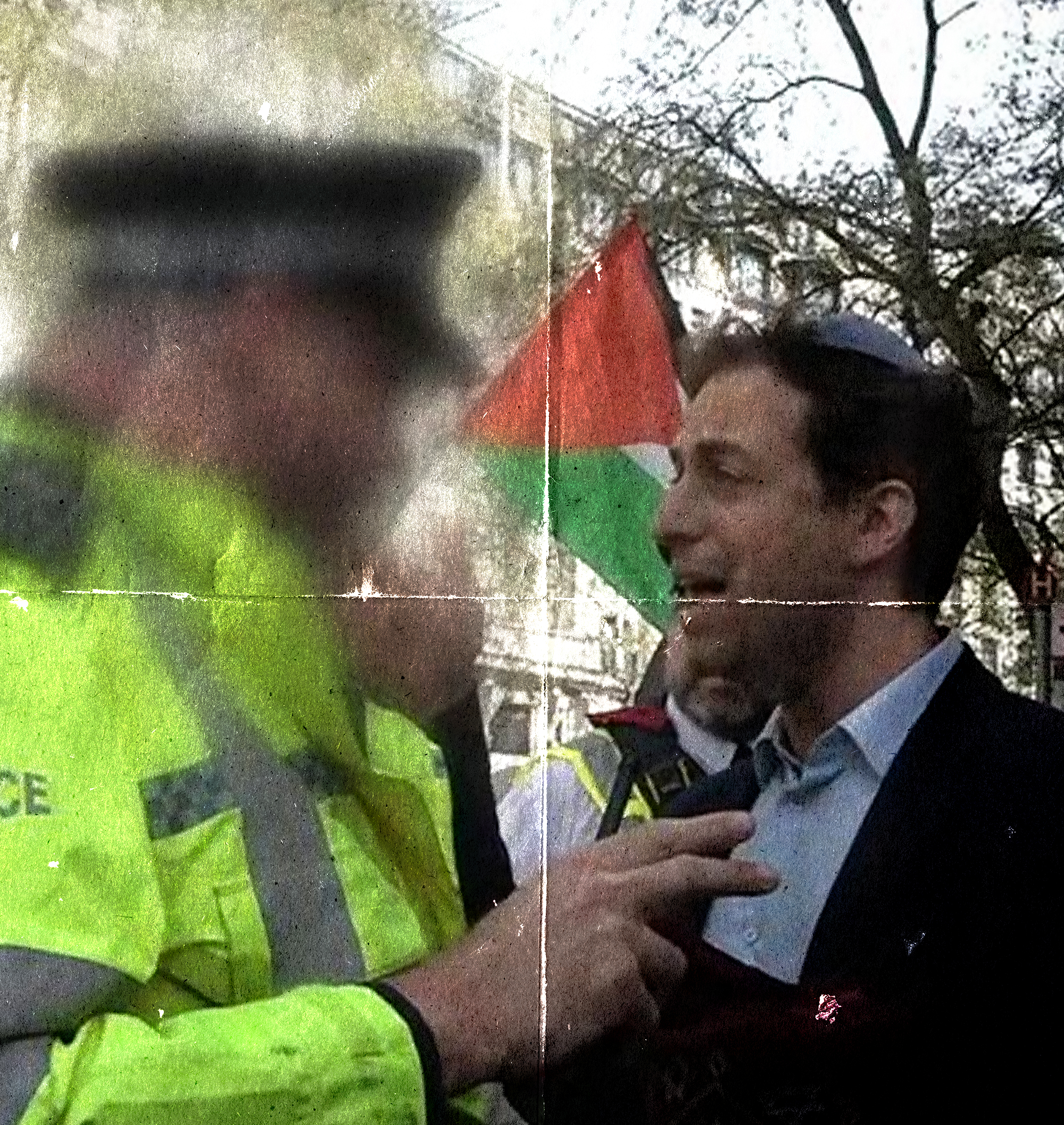
Draconian protest crackdowns, a postcode lottery in the policing of speech, the chilling effect of the Online Safety Act and proposed ID checkpoints for the internet are making Britain hostile to free speech.
Enough is enough.
The country urgently needs a review of free speech legislation – Britain’s democratic freedom hangs in the balance.
Free speech is in serious decline in Britain. Thousands of people are being arrested for controversial speech, online jokes and peaceful protest. Enough is enough.
We urgently need the Prime Minister to launch a free speech reset.
SIGN HERE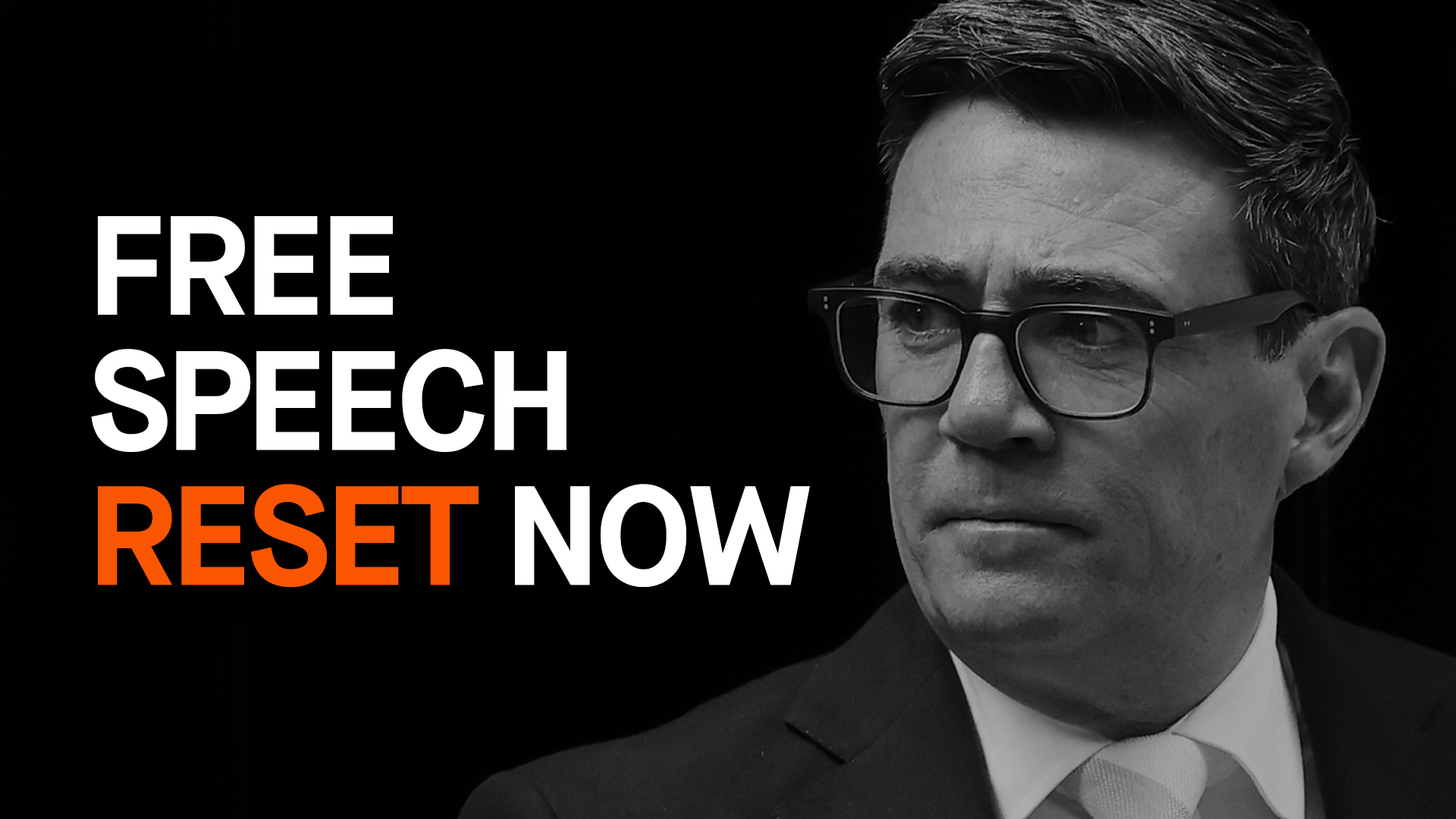

Our groundbreaking new report, 'Britain's free speech problem: How growing restrictions are stifling speech online and offline’ reveals the bleak state of free speech in Britain today. It investigates how a patchwork of poor legislation, a “postcode lottery” of policing, and a relentless stream of new restrictions are slowly limiting Britons’ free speech.
Writing in the foreword of this damning report, Nadine Dorries, the Minister who introduced the Online Safety Act, backs our call to review the country’s “dogs dinner” online safety laws.
Download the report for free or read the key findings.

There is a “postcode lottery” of speech policing, with drastically varying rates of arrests across police forces, reflecting the elasticity of vaguely defined speech offences in UK law - Cumbria Constabulary arrested 25.7 people per 10,000 over 5 years – 2 ½ times the national average and the highest in the country – while neighbouring Northumbria arrested just 1.9 people per 10,000
At least Over 60,000 people in the UK were arrested for communications offences over 5 years, with at least 18,000 being charged and 12,292 convicted
New polling by YouGov, commissioned by Big Brother Watch, found:
The most popular point of view is that the UK should have fewer restrictions on free speech, with significantly more people favouring fewer restrictions than those who favour tougher limits on speech
Over half of MPs think the Online Safety Act should be repealed or reformed
Flags of posts to social media companies from Whitehall ‘counter disinformation’ teams are rising again after an initial fall following the publication of 'Ministry of Truth', Big Brother Watch’s report into the government's counter-disinformation activity.
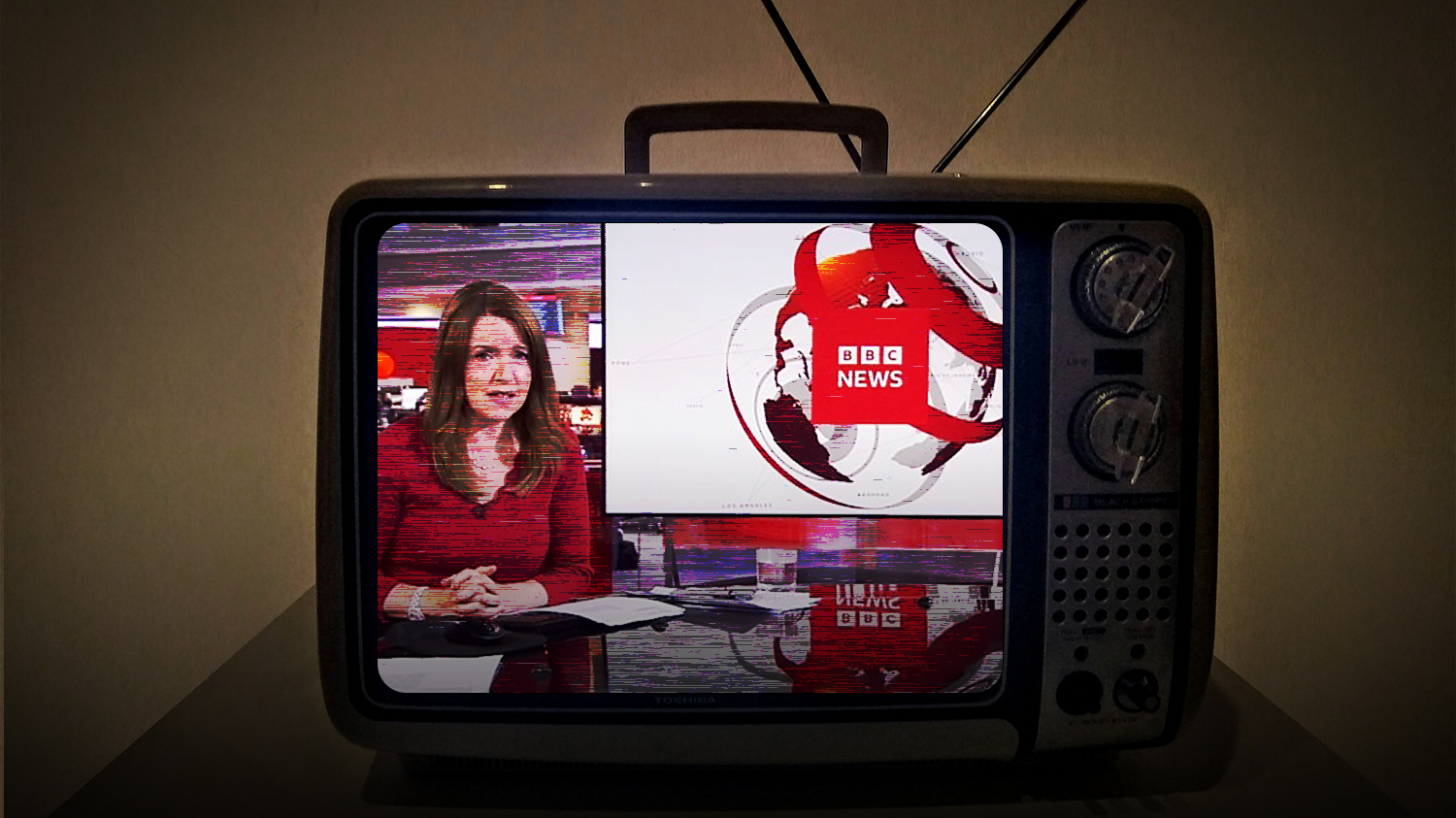
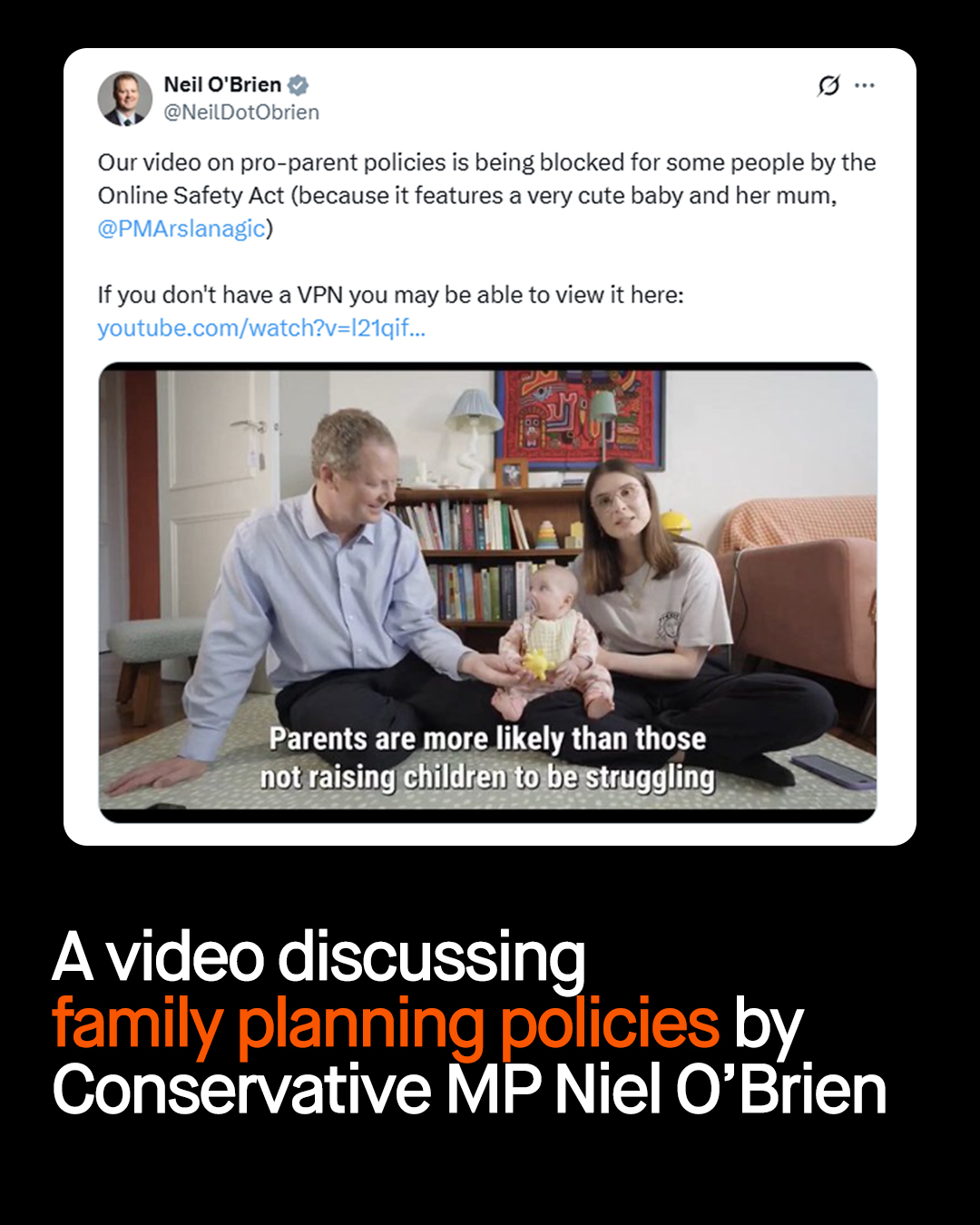
Videos from mainstream political parties, forums for single dads and social media discussions about BBC News articles have either been taken down, restricted or placed behind ID demands due to the Online Safety Act.


The UK's censorial Online Safety Act received Royal Assent in October 2023. Overseen by the regulator Ofcom, the act threatens our rights and liberties: it imposes content takedown obligations, age-gates large parts of the internet, hands the government sweeping powers over our online public sphere and and could be used to permit the mass scanning of our private messages.
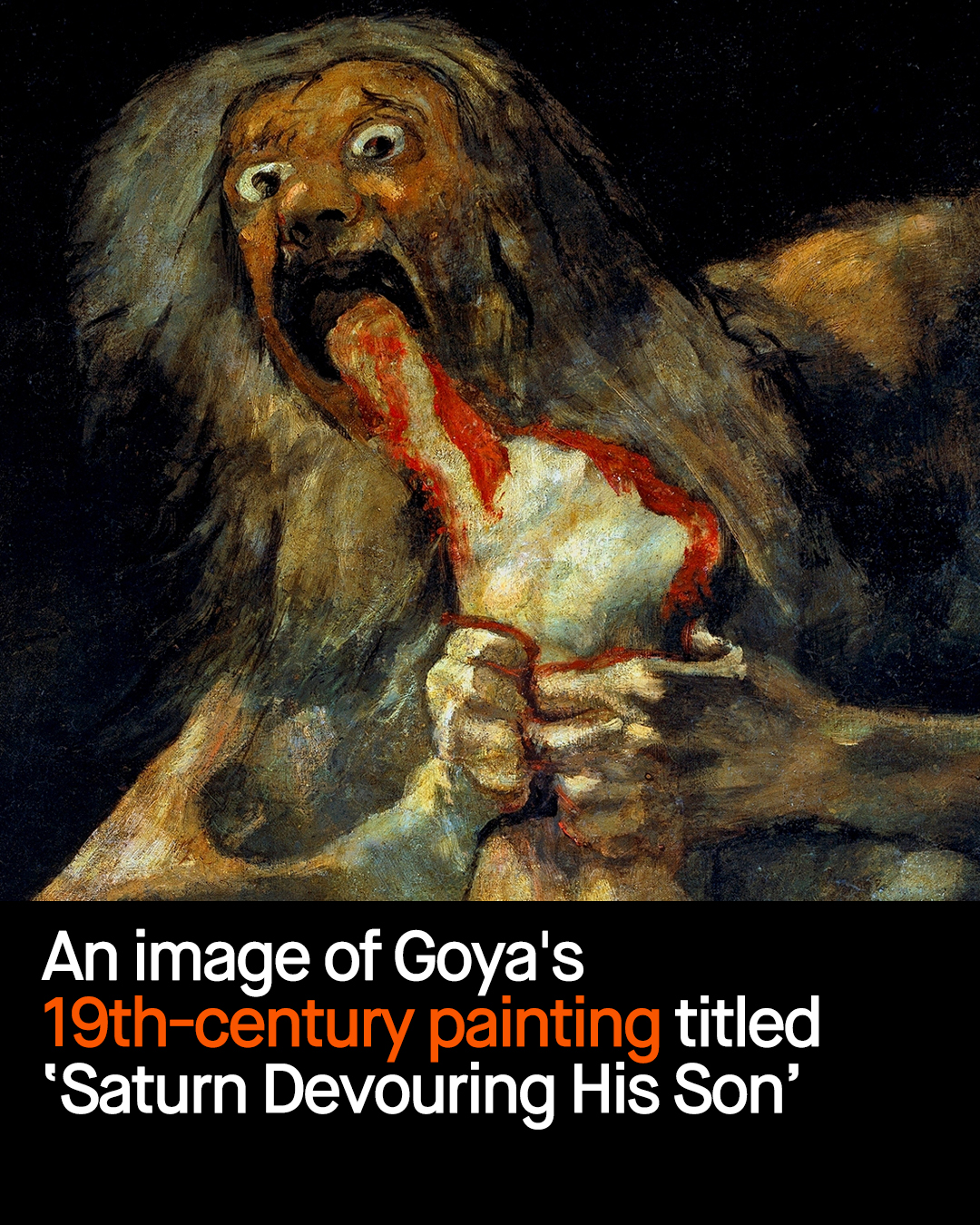
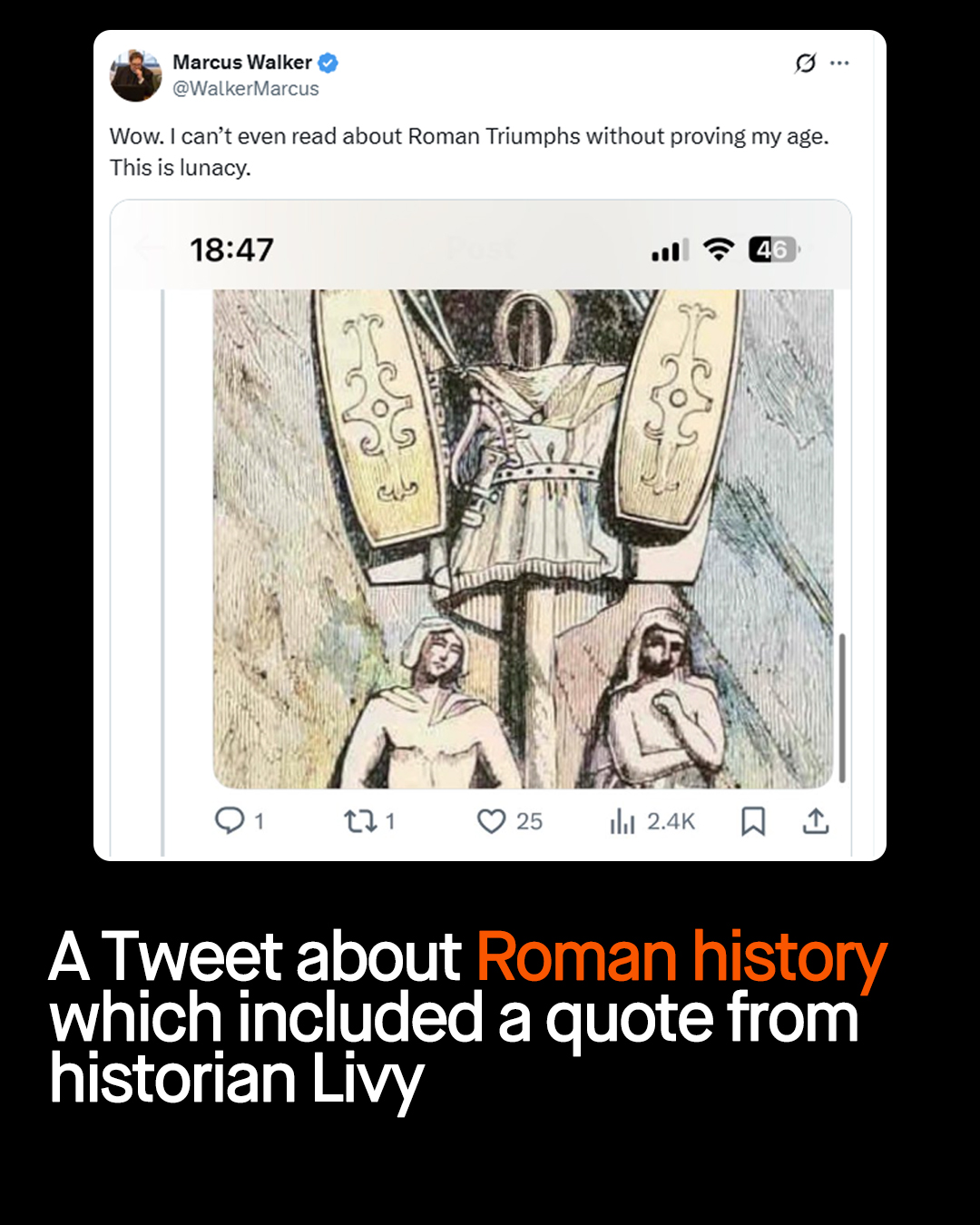
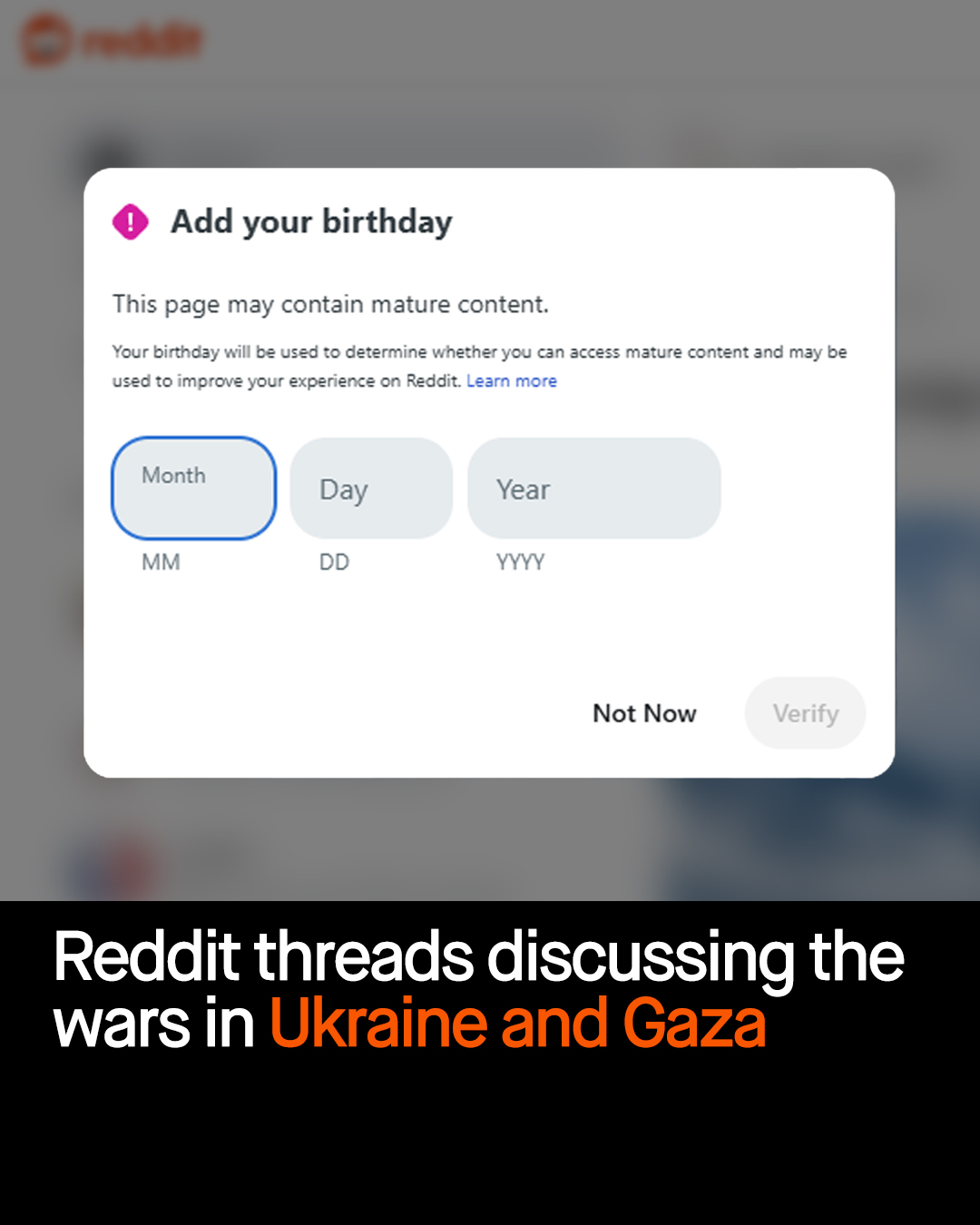
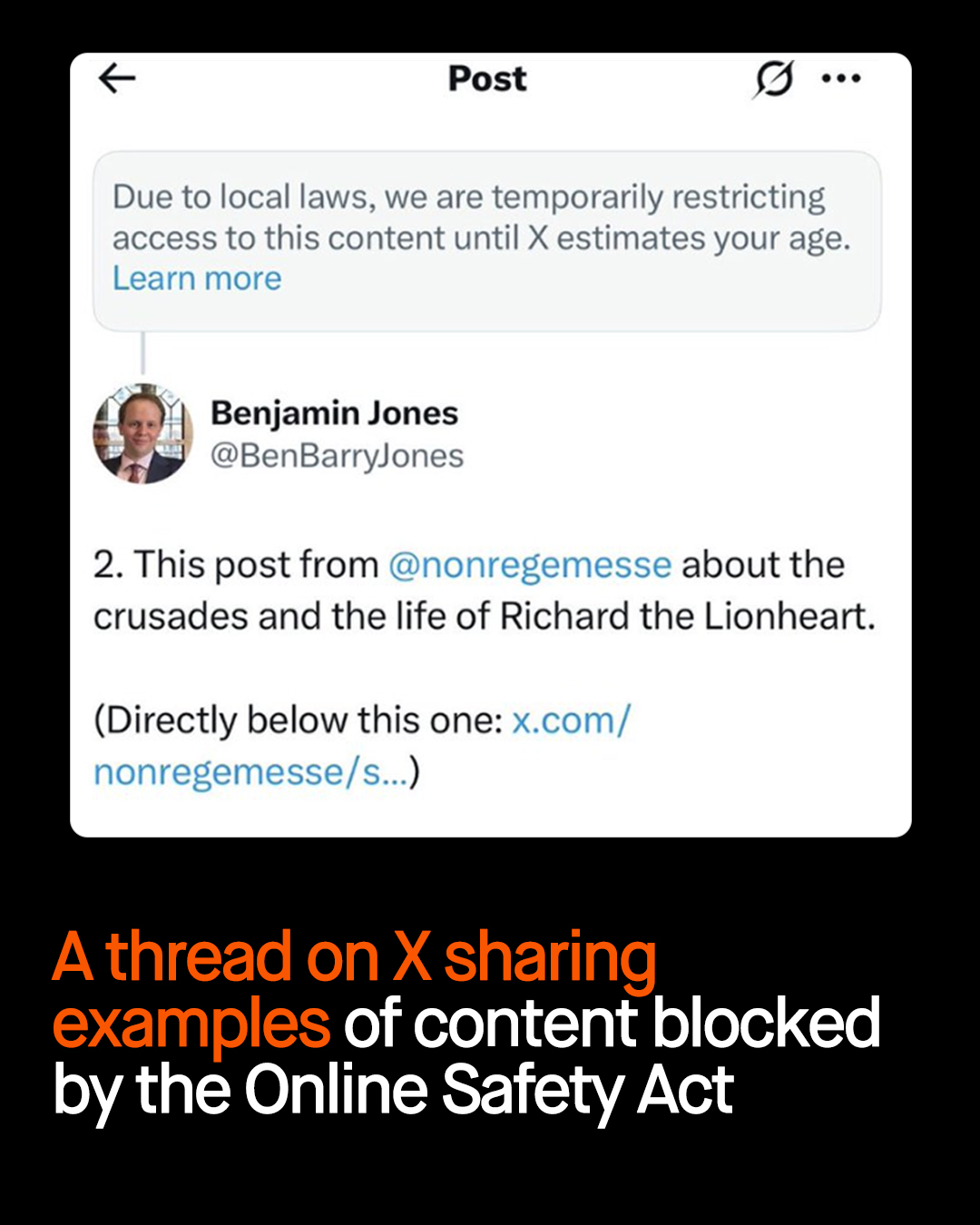
Below are some examples of content - ranging from absurd to deeply troubling - blocked by the Act. On the platform X (formerly Twitter), images of Francisco Goya’s 1820s painting were blurred until users passed age checks. Users have also seen a "temporary restriction" blocking tweets with content deemed unsuitable for those under 18. On Reddit, users have not been able to view or participate in discussion channels on trivial topics and political issues until they give up their ID or a face scan to prove their age.
The Government has grown too comfortable with censorship
June 22, 2026
BBC – Instagram removes message encryption
May 8, 2026
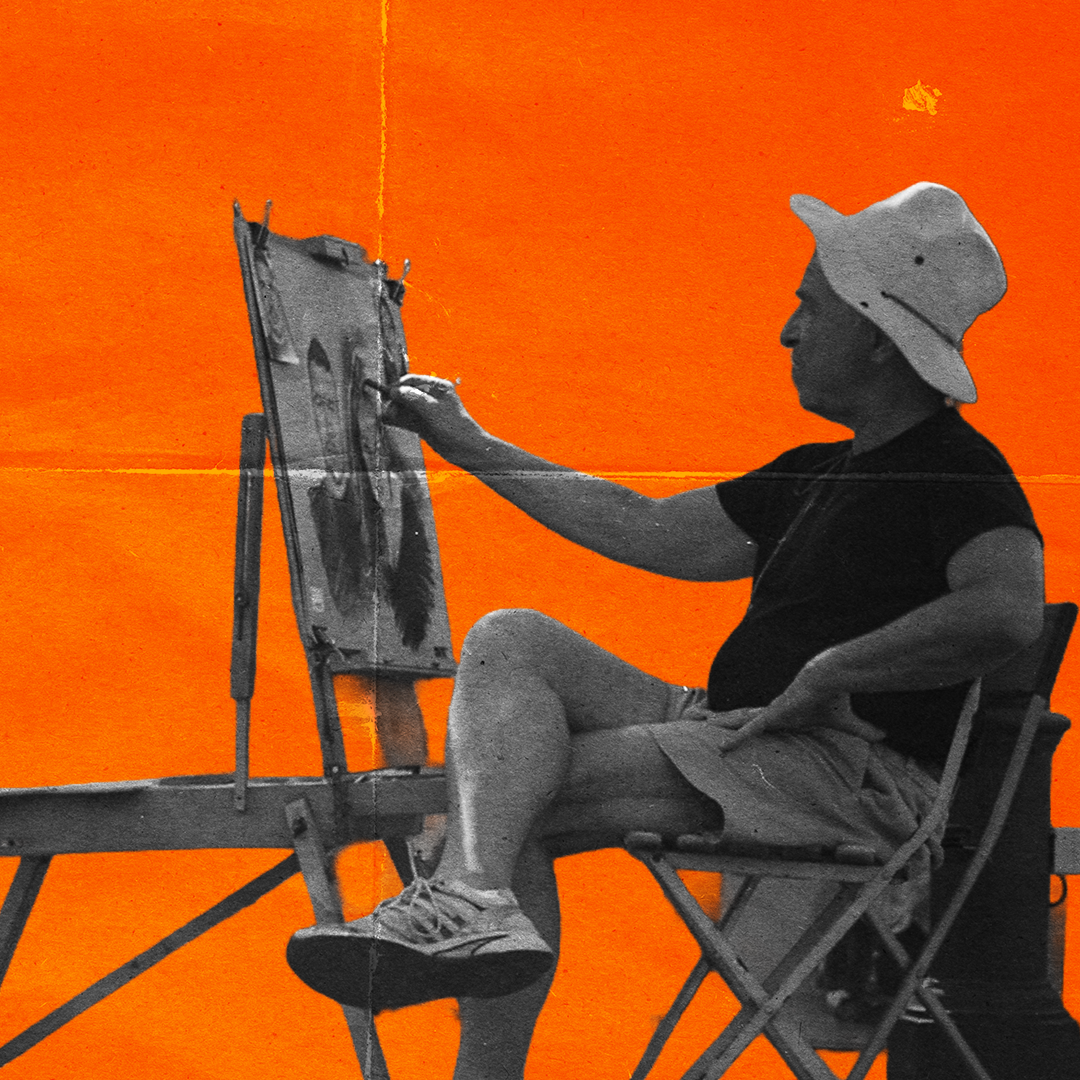
From scientific debate, to religion, art and philosophy — without free speech, creativity and human progress is limited.
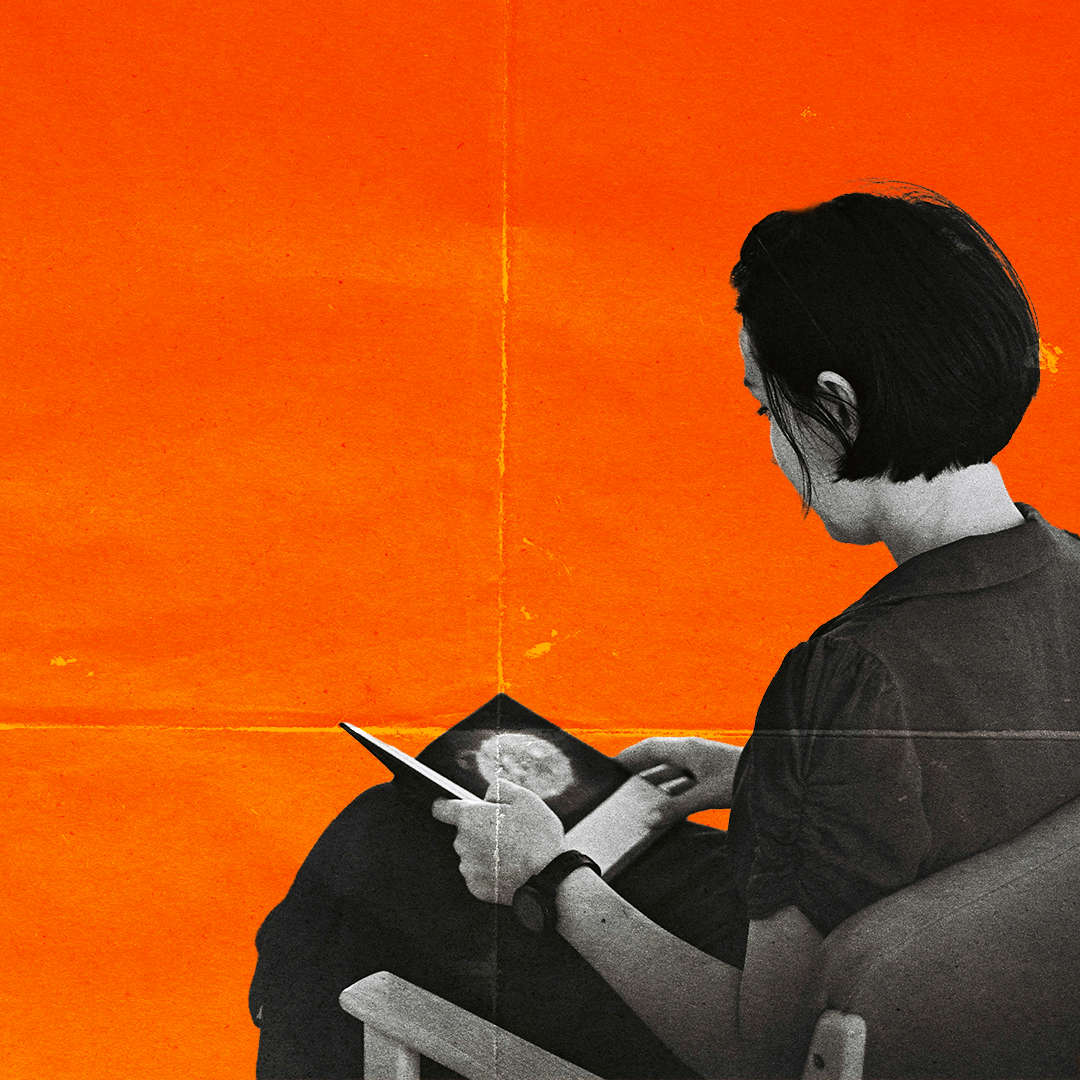
Having the ability to listen to all sides of an issue and access to uncensored information allows us to learn more and make independent decisions.
The right to free speech doesn't discriminate. It is an empowering right that allows all of us to speak out against injustice.
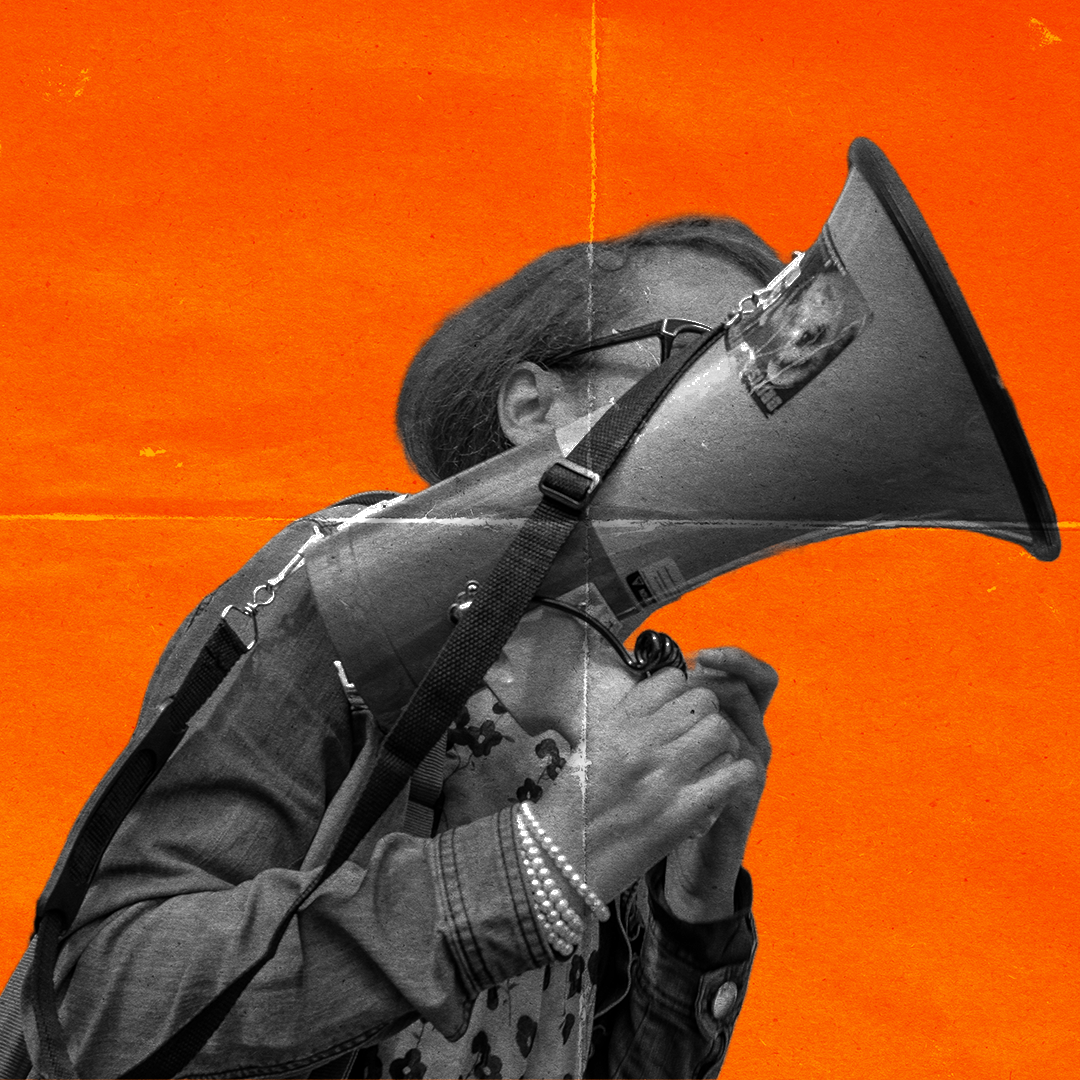
From protection against silencing political opponents to being free to debate complex and divisive political issues, freedom of speech underpins democracy.
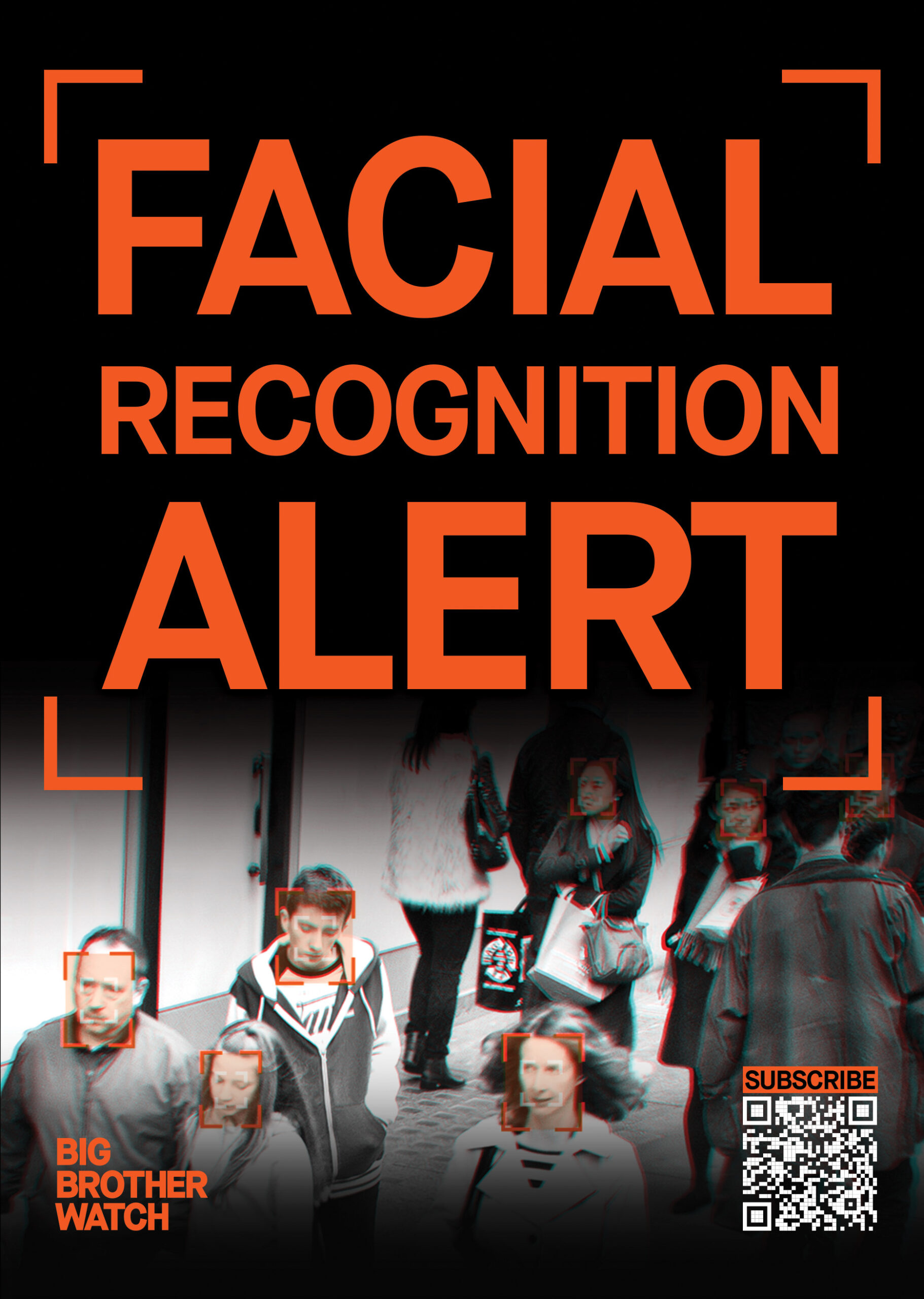
STOP FACIAL RECOGNITION FLYER
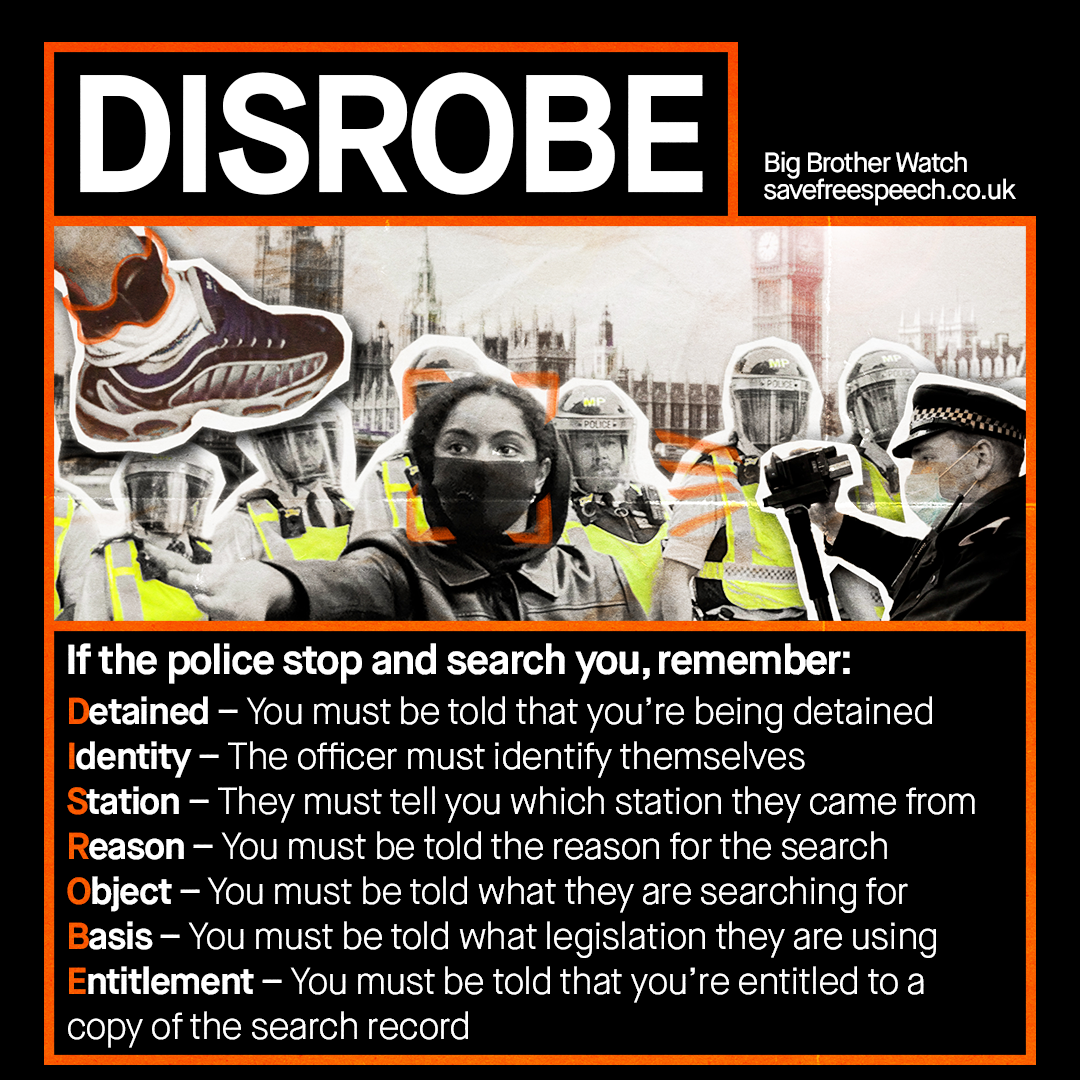
STOP AND SEARCH BUST CARD
If your phone is seized or your data is accessed by police, your conversations could be accessed – consider using an encrypted messaging app, such as Signal.
If you get stopped and have your phone seized, the police could use your fingerprint or facial recognition to unlock your device – consider using a long pin instead.
Police can use surveillance software to track clothing colour if you wear something recognisable.
Documenting events is critical, but if you share photographs online consider pixelating people’s faces to protect their privacy.
Police have used live facial recognition at demonstrations and major events. If you are flagged (correctly or incorrectly), we urge you to get in touch so we can provide advice and legal support.